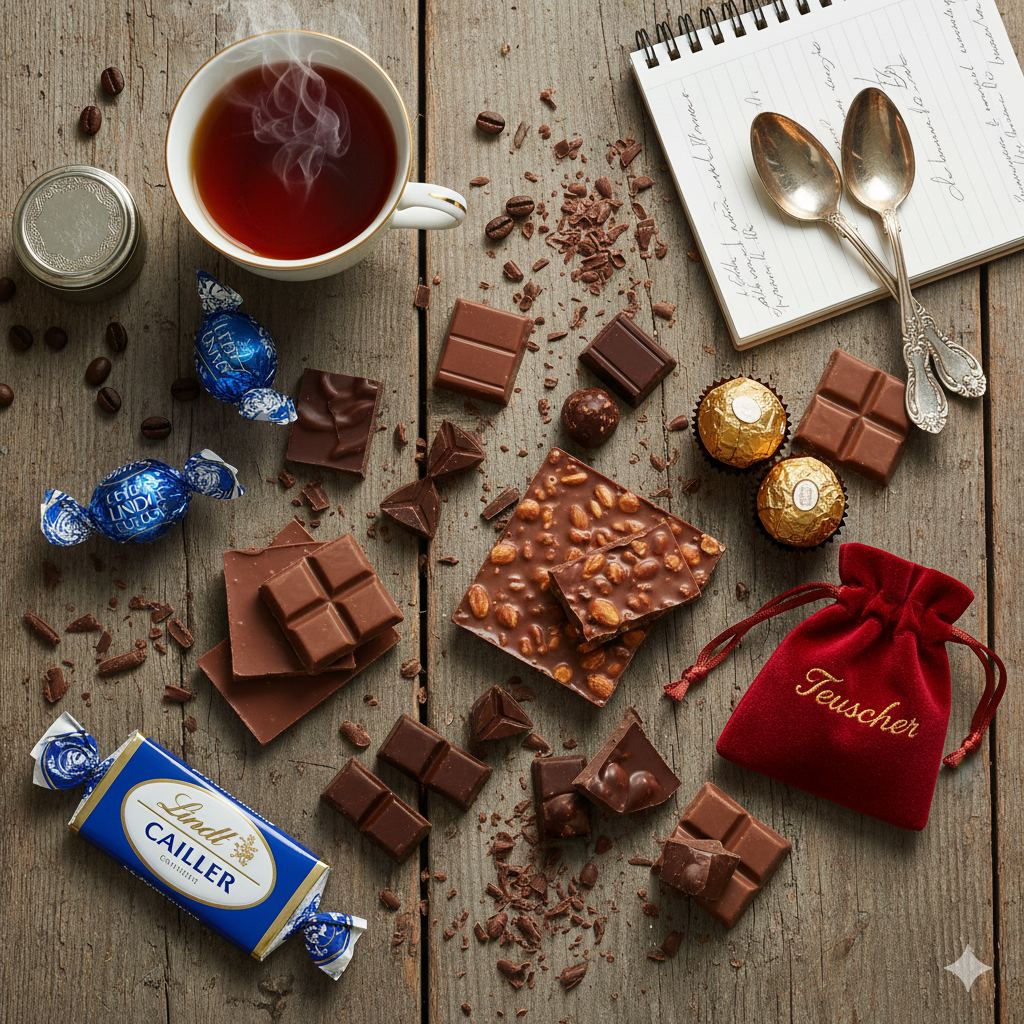
Switzerland is globally renowned for its chocolate, a reputation built on over a century of innovation, pioneering manufacturing techniques, and an unwavering dedication to quality. The roster of Swiss chocolatiers encompasses a fascinating mix of massive, globally dominant Commercial producers and smaller, high-craft Artisan shops, a tapestry of history and modernity primarily woven around the economic hub of the Zurich region. For enthusiasts, understanding this distinction is key to appreciating the full spectrum of Swiss chocolate excellence.
🏭 Commercial Giants: The Architects of Global Chocolate
The Commercial Swiss chocolatiers are the forces that put Swiss chocolate on the global map. Operating on a massive scale, their success is rooted in historical innovation, leading to uniformity, accessibility, and exceptional shelf-stability. Their methods, perfected over decades, ensure that a bar tastes the same whether you buy it in Zurich or New York.
Historical Innovation and Global Reach
- Lindt & Sprüngli (Zurich, 1845): This brand's founder, Rodolphe Lindt, is credited with developing the conching machine in 1879. This revolutionary process involves hours of slow mixing and warming, which achieves the signature smooth, melt-in-your-mouth texture that defines modern high-quality chocolate.
- Cailler (Vaud, 1819): François-Louis Cailler established the oldest Swiss chocolatier brand still in operation. Crucially, Cailler was among the first to use condensed milk rather than just dry milk powder, giving his chocolate (and subsequent Swiss milk chocolate) its distinctive, creamy flavor.
- Chocolate Frey (Zurich, 1887): As a key part of the Migros group, Frey focuses on domestic market dominance, providing quality, accessible chocolate that is a staple in Swiss households and supermarkets.
The Power of Couverture: Felchlin
A unique giant is Felchlin (Bern, 1908). Unlike the others, Felchlin’s focus isn't on the retail consumer but on B2B excellence. They are one of the world’s most respected producers of high-grade couverture (professional-grade chocolate used as a base). Their commitment to sourcing and quality makes them the secret ingredient for countless pastry chefs and smaller artisan shops around the world.
✨ Artisan Alchemists: The Pursuit of Freshness and Craft
The Artisan Swiss chocolatiers represent the heart of the country's confectionery craft. These smaller, often family-run confiseries prioritize freshness, complexity, and unique, labor-intensive craftsmanship. Their products often have a short shelf life because they contain no preservatives and use fresh cream and butter, resulting in a truly intense flavor experience.
The Commitment to Craft and Specialization
Artisan shops in the Zurich area maintain centuries-old traditions:
- Fresh Confections: Brands like Honold, Teuscher, and Beschle focus heavily on fresh truffles and pralines. Teuscher is world-famous for its signature Champagne Truffles.
- The FrischSchoggi Revolution: Läderach (Glarus, 1962) popularized FrischSchoggi (fresh slab chocolate). This model emphasizes the breakable, rich texture and the use of fresh ingredients, becoming a modern artisan icon.
- Ethical Focus: Modern artisans like Durig Chocolatier (Vaud, 1998) are leading the way in ethical sourcing, committing to organic and Fair Trade practices, integrating sustainability into the high-craft tradition.
🗺️ Swiss Chocolatier Comparison Table
This table provides a comprehensive overview of the chocolatiers by region, founding date, and their general production style.
| Chocolatier | Founded | Key Characteristics |
|---|---|---|
| Lindt & Sprüngli | 1845 | Global brand; invented conching; Lindor truffles. |
| Confiserie Sprüngli | 1836 | Luxury confectioner, famous for Luxemburgerli. |
| Chocolate Frey | 1887 | Large producer; staple in Swiss supermarkets. |
| Teuscher | 1932 | Famous for fresh Champagne Truffles. |
| Honold | 1905 | High-quality, handcrafted pralines and truffles. |
| Beschle | 1898 | Family-owned, focus on innovative fine confections. |
| Felchlin | 1908 | World-renowned producer of high-grade couverture (B2B). |
| Max Chocolatier | 2008 | Newer brand, single-origin and seasonal focus. |
| Läderach | 1962 | Famous for fresh, hand-broken chocolate FrischSchoggi. |
| Cailler | 1819 | Switzerland's oldest brand; pioneered use of condensed milk. |
| Villars | 1901 | Known for its distinctive packaging and classic Swiss milk chocolate. |
| Favarger | 1826 | Historic brand, known for specialties like Avelines. |
| Auer Chocolatier | 1931 | Established local shop, specializing in fine pralines. |
| Alprose | 1957 | Large-scale producer; runs the Ticino Chocolate Museum. |
📍 Key Regional Flavors: Beyond Zurich
While Zurich is the historical powerhouse, other regions have contributed unique players to the market:
Western Switzerland (Vaud & Geneva)
This region is dominated by two historic milestones: the oldest existing brand, Cailler (Vaud), and the prestigious Favarger (Geneva), known for its elegant Avelines praline. The history here reflects a strong French influence in confectionery techniques, contrasting with the more industrialized history of Zurich.
The Specialist Cantons
The remaining regions feature highly specialized and dedicated players: Felchlin in Bern (the B2B master), Läderach in Glarus (the champion of freshness), and Alprose in Ticino, which represents the Italian-speaking Swiss chocolate tradition and focuses heavily on tourism via its chocolate museum.
Conclusion
The world of Swiss chocolatiers is a powerful testament to tradition and quality. Whether you savor the globally accessible, velvety smoothness of a Lindt bar or seek out a locally crafted, short-lived, and intensely flavored fresh truffle from an artisan like Honold or Merkur, the Swiss chocolate scene offers a tradition of excellence that continues to delight the world. The commitment to high-quality ingredients, from the pristine Swiss milk to ethically sourced cocoa, ensures that Swiss chocolate remains the gold standard globally.
← Back to Blog