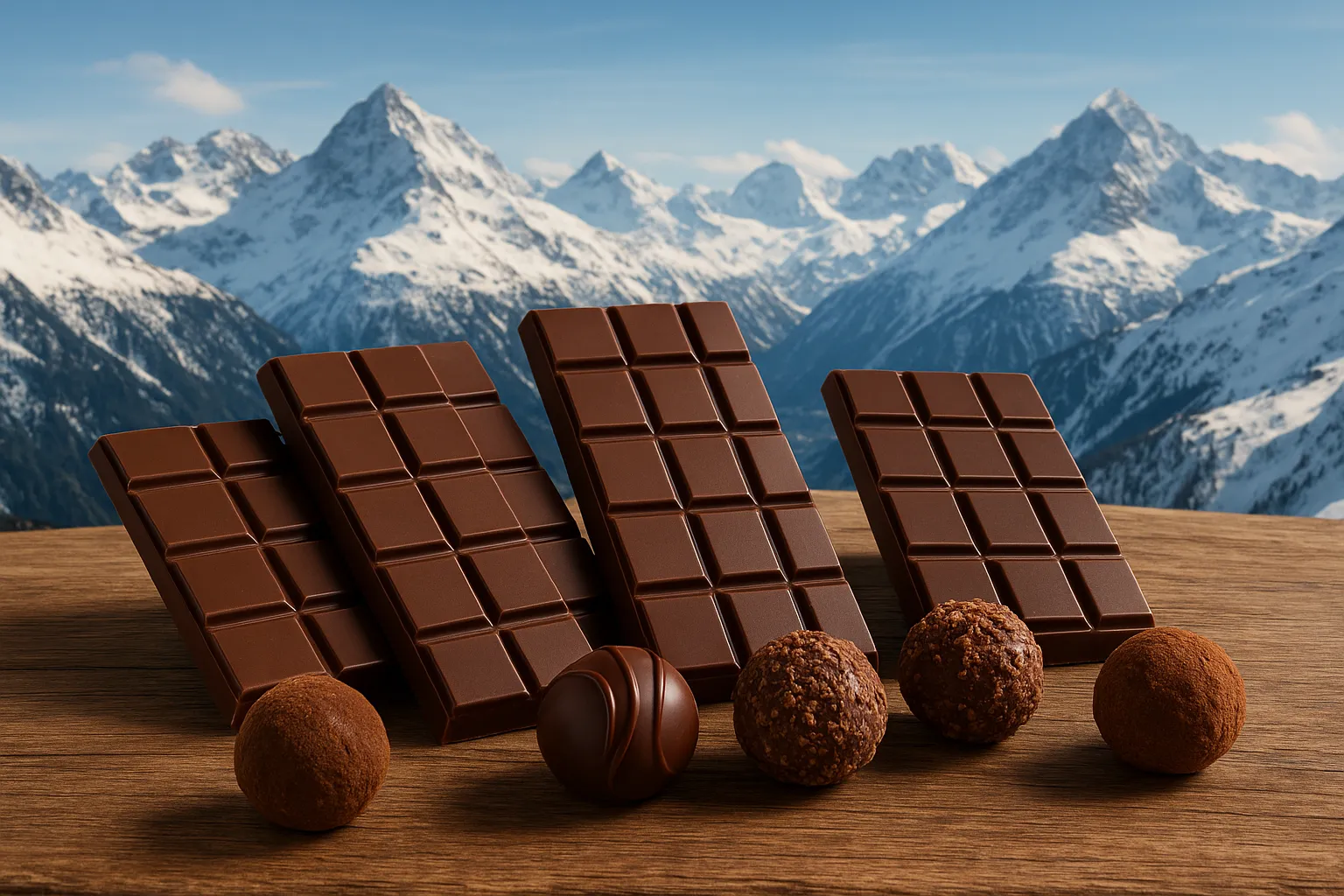
Swiss chocolate. The very phrase conjures images of pristine alpine landscapes, meticulous craftsmanship, and an unparalleled richness that melts on the tongue. But what is it about this particular confection that elevates it beyond mere candy, establishing it as a global benchmark for quality and luxury? The answer lies in a fascinating blend of historical innovation, a relentless pursuit of excellence, unique raw materials, and a culture deeply intertwined with the art of chocolate making.
Early Days of Chocolate Making
The story of Swiss chocolate begins not with cocoa beans, which do not grow in Switzerland, but with ingenuity. While chocolate arrived in Europe from the Americas as early as the 16th century, it was initially a bitter, coarse beverage or a hard, grainy slab. The Swiss, however, were pivotal in transforming this raw material into the smooth, creamy delight we know today. Key figures like François-Louis Cailler, who opened one of Switzerland's first mechanized chocolate factories in Vevey in 1819, and Philippe Suchard, who followed in Serrières in 1826, laid the groundwork. These pioneers began to refine the process, but the true revolution was yet to come.
The year 1879 marks a watershed moment with the invention of conching by Rodolphe Lindt. Before conching, chocolate had a gritty texture due to uneven particle size. Lindt's ingenious machine, a longitudinal mixer resembling a conch shell (hence the name), continuously kneaded and aerated the chocolate mass for hours, sometimes even days. This process evenly distributed cocoa butter, refined sugar particles to microscopic levels, and allowed volatile, bitter acids to evaporate. The result was an astonishingly smooth, melt-in-your-mouth texture that was unprecedented. Lindt’s “Chocolat surfin” or “melting chocolate” set a new standard and became the hallmark of Swiss chocolate.
Foundational Swiss Innovations
Another defining Swiss contribution came from Daniel Peter, who in 1875, after years of experimentation, successfully created the first milk chocolate. His collaboration with Henri Nestlé, whose condensed milk was ideal for the process, was crucial. Prior attempts to add liquid milk to chocolate had failed due to the milk’s high-water content causing spoilage. Nestlé’s milk powder provided the richness without the moisture, allowing for a sweet, creamy chocolate that quickly captured hearts worldwide. This invention cemented Switzerland's reputation for innovative production and made milk chocolate the enduring favorite it remains today.
Beyond these foundational inventions, the quality of Swiss chocolate is rooted in its ingredients, particularly its milk. Switzerland is renowned for its lush alpine pastures, and its dairy industry is world-class. The milk from cows grazing on nutrient-rich grasses contributes a distinct richness and creaminess that is difficult to replicate elsewhere. Many Swiss chocolatiers source their milk locally, ensuring freshness and superior quality that directly impacts the final product's flavor profile and luxurious texture. This high-quality milk, combined with meticulous blending of carefully selected cocoa beans, forms the backbone of the Swiss chocolate experience.
Superior Raw Materials and Craftsmanship
The Swiss commitment to quality extends to the sourcing of cocoa beans. While not grown locally, Swiss chocolatiers are known for establishing strong, ethical relationships with cocoa producers in regions like West Africa, South America, and the Caribbean. They prioritize high-quality beans, often engaging in direct trade and sustainable practices. The art of blending different bean varieties, each with its unique flavor notes, is a closely guarded secret, allowing chocolatiers to achieve consistent, complex, and signature tastes year after year. This dedication to raw material excellence ensures that only the best enters their production lines.
However, it’s not just about ingredients and inventions; it’s also about precision and tradition. Swiss chocolate making is an art form passed down through generations. Chocolatiers are trained meticulously, often through apprenticeships, mastering techniques that demand patience and an unwavering attention to detail. From the exact temperature curves for tempering chocolate to achieve that perfect snap and sheen, to the precise timing for conching, every step is executed with scientific accuracy and artisanal care. This blend of traditional craftsmanship with modern technology ensures consistency and maintains the high standards for which Swiss chocolate is known.
Culture and Global Legacy
The Swiss culture itself plays a role. Chocolate is more than just a sweet treat; it’s an integral part of national identity and daily life. It’s enjoyed as a dessert, a snack, a gift, and a comfort food. This deep appreciation fosters a competitive environment among chocolatiers, driving them to constantly innovate while adhering to time-honored principles of quality. Strict food regulations and a strong national pride also contribute to maintaining high standards across the industry.
Finally, the marketing and branding of Swiss chocolate have been incredibly effective. Brands like Lindt, Toblerone, Cailler, and Sprüngli are globally recognized symbols of luxury and indulgence. The iconic packaging, the emphasis on heritage, and the consistent quality have built an almost mythical aura around Swiss chocolate, making it a coveted product worldwide. Tourists flock to Switzerland not just for the mountains and watches, but for the immersive experience of tasting and buying chocolate from its source.
In conclusion, Swiss chocolate's special status is no accident. It is the culmination of groundbreaking historical inventions like conching and milk chocolate, the superior quality of local milk, ethical sourcing of premium cocoa beans, unwavering traditional craftsmanship, a supportive national culture, and brilliant branding. Each piece of Swiss chocolate tells a story of innovation, dedication, and a relentless pursuit of perfection, offering a truly unique and luxurious sensory experience that continues to captivate chocolate lovers around the globe.
← Back to Blog